



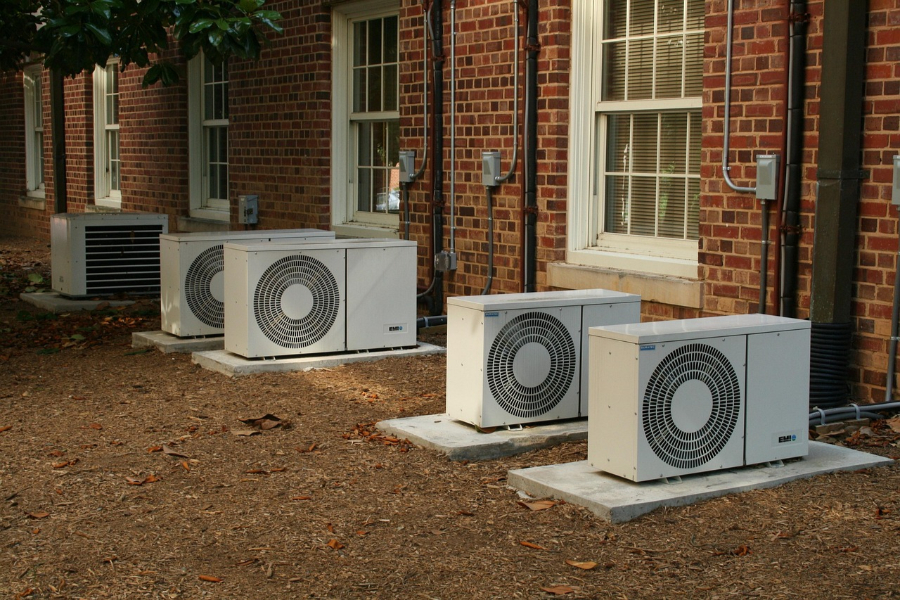
A building’s heating, ventilation, and air conditioning systems are essential for maintaining comfortable and healthy indoor environments, regardless of external weather conditions. Properly functioning HVAC systems are crucial for the safety of building occupants, particularly in regions with extreme climates. HVAC contractors play a vital role in ensuring these systems operate efficiently and reliably, keeping interiors comfortable while maintaining proper humidity and air quality.
What Does an HVAC Contractor Do
HVAC contractors specialize in installing, maintaining, and repairing heating, cooling, and ventilation systems in residential, commercial, and industrial buildings. These systems include elements such as ductwork, boilers, furnaces, heat pumps, air conditioners, and refrigeration units. Some contractors focus on specific systems, while others work with a wide range of equipment.
The responsibilities of an HVAC contractor include installing new systems in both new and existing buildings, performing routine maintenance to prevent system failures, and conducting repairs when issues arise. Maintenance often involves checking refrigerant levels, cleaning vents and fans, changing filters, and ensuring the system functions optimally. Repairs can include troubleshooting malfunctions, testing thermostats, replacing faulty components, and addressing leaks. Since HVAC systems are often hidden, routine inspections are essential to detect problems before they escalate.
Steps to Become an HVAC Contractor in Florida
Becoming an HVAC contractor in Florida requires meeting specific requirements. Candidates must be at least 18 years old and possess a high school diploma or GED. Completing an HVAC training program is necessary, followed by passing licensing exams. Contractors must carry general liability insurance, demonstrate financial responsibility, and pass a criminal background check. Additional local licensing requirements may apply depending on the city or county.
HVAC Training Programs
Training for HVAC contractors can be obtained through apprenticeship programs or vocational schools. Apprenticeships combine on-the-job experience with classroom instruction and typically last three to five years under the supervision of a licensed professional. Vocational programs usually take one to two years, providing students with technical knowledge and practical skills required for HVAC work.
HVAC Licensing Exams
Licensing in Florida requires passing two exams: a trade knowledge exam and a business and finance exam. The trade knowledge exam covers HVAC system components, installation procedures, repair techniques, and safety regulations. The business and finance exam focuses on business management, accounting, and contracting law.
General Liability Insurance and Financial Responsibility
HVAC contractors must maintain general liability insurance to protect against potential financial losses from lawsuits. They are also required to demonstrate financial responsibility, which can be shown through a good credit history or a surety bond.
Criminal Background Check and Local Licensing
Passing a criminal background check is a standard requirement to ensure contractors are of good moral character. Some Florida cities and counties may have additional licensing requirements, so it is important to verify local regulations.
Skills and Qualities of a Successful HVAC Contractor
Successful HVAC contractors possess strong technical skills for troubleshooting and repairing systems, excellent customer service abilities for interacting with clients, and business skills for those who manage or own their own operations. These qualities ensure contractors can provide high-quality service while maintaining efficient and profitable business practices.
Career Outlook for HVAC Contractors in Florida
The demand for HVAC contractors in Florida is strong due to the state’s hot and humid climate and growing construction industry. Employment of HVAC professionals is projected to grow faster than average, driven by the need for installation, maintenance, and repair services in residential and commercial properties.
Salary Expectations for HVAC Contractors
The median annual wage for HVAC professionals varies, with technicians earning a baseline salary and contractors who own businesses having the potential to earn significantly more. Compensation depends on experience, specialization, and geographic location.
Start Your Career as an HVAC Contractor
Becoming an HVAC contractor in Florida offers opportunities for a stable, growing career in an essential industry. With proper training, licensing, and skills development, aspiring professionals can build a successful career maintaining and improving heating, cooling, and ventilation systems for a variety of building types.